
Feeling exhausted, irritable, not yourself?
Postpartum fatigue is common, but it's not always "just normal." These are the labs worth asking your provider about if something feels off.
Labs to ask for
These are labs worth requesting at your postpartum visit — or sooner if you're struggling. Not all providers order them routinely, so knowing what to ask for matters.
TSH (Thyroid-Stimulating Hormone)
Thyroid functionScreens for thyroid dysfunction. If abnormal, your provider may also recommend Thyroid Peroxidase (TPO) Antibodies to evaluate for autoimmune thyroid disease, such as Hashimoto's thyroiditis, when clinically appropriate.
CBC (Complete Blood Count)
Blood healthScreens for anemia and infection — two of the most common and overlooked contributors to postpartum fatigue.
Ferritin & Iron Studies
Iron storesEvaluates iron stores and iron deficiency. Ferritin can be low even when standard hemoglobin looks "normal," making it easy to miss without a targeted test.
Vitamin D
Bone & mood supportLow levels may contribute to fatigue, muscle weakness, and mood changes — all common postpartum complaints that are often dismissed.
Vitamin B12 & Folate
Energy & nerve healthSupports energy production, nerve health, and red blood cell formation. Especially relevant if you're breastfeeding or have been depleted through pregnancy.
Comprehensive Metabolic Panel (CMP)
Organ functionEvaluates kidney function, liver function, electrolytes, and blood sugar — a broad baseline that can catch issues that contribute to feeling "off."
Glucose Testing or HbA1c (if indicated)
Blood sugarEspecially important for women with a history of gestational diabetes or symptoms of abnormal blood sugar. Postpartum glucose screening is often overlooked after the initial 6-week window.
My experience
During my first pregnancy, I stayed extremely active. I ran a half marathon at 5.5 months pregnant and worked out one to three times a day throughout, but I still gained a lot of weight and was 210 lbs at birth. Even so, I had an amazing birth experience. I actually told the team delivering my son that it felt like a yoga class.
At my 6-week postpartum appointment, my OB referred me to pelvic floor PT, and I ended up completing two rounds of it, which made a real difference in my recovery.
I was lucky — my NP tested my full thyroid panel at my 7-month postpartum physical, which is how I learned I had postpartum thyroiditis and Hashimoto's. At that appointment I was 170 lbs. My postpartum fitness trainer, who has real knowledge of thyroid dysfunction after pregnancy, gave me tips to adjust my lifestyle and diet. Combined with my own research, I ended up going gluten-free and dairy-free and adding red light therapy.
I also put my endurance race lifestyle on pause. After November 2025, I stopped training for and completing half marathons, full marathons, and triathlons, and shifted instead to walking, swimming, cycling, Pilates, yoga, lifting, mobility work, and tai chi. That shift ended up being just as much a part of my recovery as anything else.
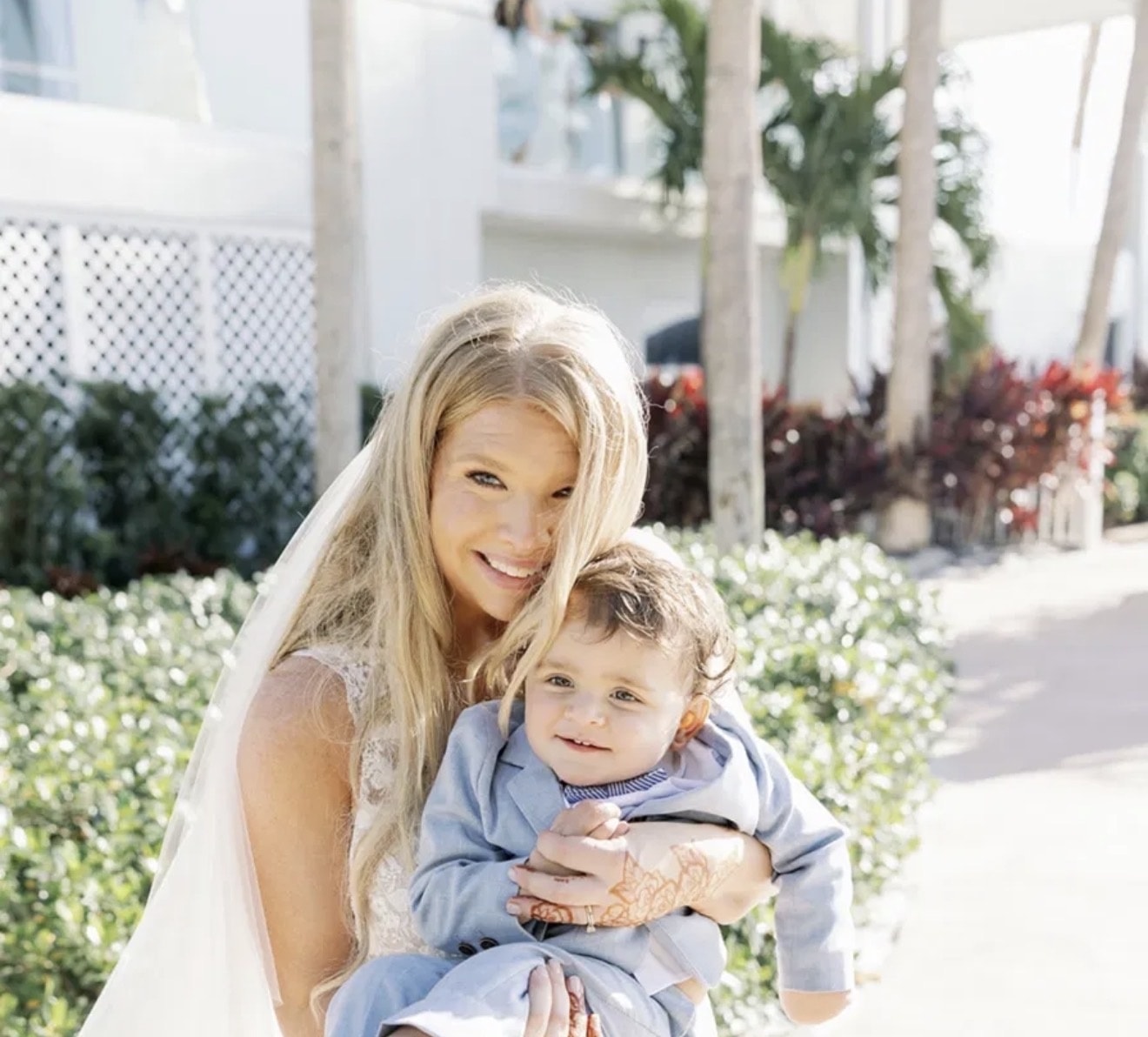
By my wedding ceremony at 13 months postpartum, I was down to 145 lbs, felt genuinely great, and my labs had improved too.
My Postpartum Thyroid Journey
Lab TimelineAfter my first pregnancy, I began experiencing changes that led me to investigate my thyroid health. At about 7 months postpartum, labs helped identify possible thyroid dysfunction and led my providers to evaluate me for Hashimoto's thyroiditis.
Sept 3, 2025
First thyroid antibody draw
TPO Antibodies
283
TSH
5.55
Sept 12, 2025
Follow-up labs
TPO Antibodies
241
TSH
3.65
Oct 24, 2025
Extended panel
TPO Antibodies
212
TSH
4.01
Free T4
1.06
Free T3
3.0
Iodine
44.5
Zinc
109
Jan 22, 2026
Follow-up panel
TPO Antibodies
146
TSH
2.65
Free T4
1.17
Free T3
2.7
Ferritin
80
March 10, 2026
Follow-up panel
TPO Antibodies
99
TSH
2.57
Free T4
1.17
Free T3
2.6
May 5, 2026
Early 2nd pregnancy — comprehensive panel
TPO Antibodies
54
TSH
3.42
Free T4
1.2
Free T3
3.2
T3
102
T4
6.6
rT3
13
Anti-Tg
2
May 13, 2026
First endocrinologist visit + OB pregnancy hormones
TSH
2.31
Free T4
1.22
Progesterone
14
HCG
8,774
I started a progesterone suppository the same day I received these results.
May 27, 2026
Follow-up — started levothyroxine the next day
TSH
2.83
Free T4
1.11
I started levothyroxine the next day.
June 16, 2026
Follow-up on levothyroxine
TSH
2.2
Free T4
1.32
July 16, 2026
Follow-up on levothyroxine
TSH
2.03
Free T4
1.12
My TPO antibodies came down from 283 to 54 without medication over about eight months postpartum. Once I became pregnant again, my endocrinologist started me on levothyroxine in late May, and my levels have continued to hold in a steady, more typical range since then. I'm now on levothyroxine and working with both my endocrinologist and OB to keep adjusting my dose as the pregnancy progresses, along with tracking progesterone.
This reflects my personal health journey and is not medical advice. Lab values and treatment plans are individualized — always consult your own healthcare provider.
Methods to Prevent Pregnancy — Before You're Ready
Preventing Pregnancy
If you're not ready for another pregnancy, discuss your family planning goals with your healthcare provider and choose a birth control method that best fits your needs.
Your Options
- •Abstinence
- •Condoms
- •Various birth control methods
- •Lactational Amenorrhea Method (LAM) (for eligible breastfeeding mothers)
- •Fertility Awareness Methods, including:
- –Ovulation tracking (such as Pregmate ovulation strips)
- –Basal body temperature tracking
- –Cervical mucus monitoring
My Experience
After the birth of my son in January 2025, I wanted to better understand my body, support my postpartum recovery, and prepare for a future pregnancy.
Before trying to conceive again, I made sure my thyroid labs were in a healthy range for pregnancy and worked with my healthcare provider to monitor my thyroid health.
My postpartum cycle returned around 6 months after delivery (July 2025). While my periods became regular again, they were heavier than what I'd experienced before pregnancy.
For my personal fertility tracking, I:
- •Breastfed on demand for one year
- •Used Pregmate ovulation strips to help identify ovulation patterns
- •Used Proov to track my cycle and gain additional insight into my fertility
- •Wore my Oura Ring to monitor overnight temperature trends
- •Tracked my menstrual cycle and fertility signs
These tools helped me better understand my body, recognize cycle patterns, and feel more informed during my fertility journey. However, every woman's postpartum journey is different. Fertility can return before your first period, and cycles can change after pregnancy, including changes in flow, timing, and symptoms.
Always choose a family planning method that aligns with your goals, and discuss your options with your healthcare provider.